

Western Australian Honey: Nature's Bioactive Wellness Elixir
Table of Contents
- What Makes Western Australian Honey Distinctly Bioactive
- Jarrah Honey Benefits: The Gold Standard of Active Honey
- Understanding Bioactive Honey Properties and TA Ratings
- Raw Honey vs Processed Honey: Why Cold Extraction Matters
- The Taste and Culinary Appeal of Western Australian Varieties
- Ethical Sourcing and Sustainability in Western Australian Honey Production
- Incorporating Western Australian Honey Into Your Daily Routine
- Frequently Asked Questions
Last Updated: September 25, 2026
What Makes Western Australian Honey Distinctly Bioactive
Western Australian honey stands apart from conventional varieties because of where it comes from and how it's made. The nectar originates from ancient native forests along the south coast, where Jarrah and Redgum trees produce monofloral honey with naturally high levels of enzymatic activity. This isn't marketing language, it's measurable chemistry.
The bioactive compounds in western australian honey develop because of the unique flora and environmental conditions. When bees forage exclusively on specific native trees, they create honey with consistent antimicrobial properties that can be tested and certified. The Total Activity (TA) rating system measures these properties scientifically, giving you a transparent way to compare potency across different batches.
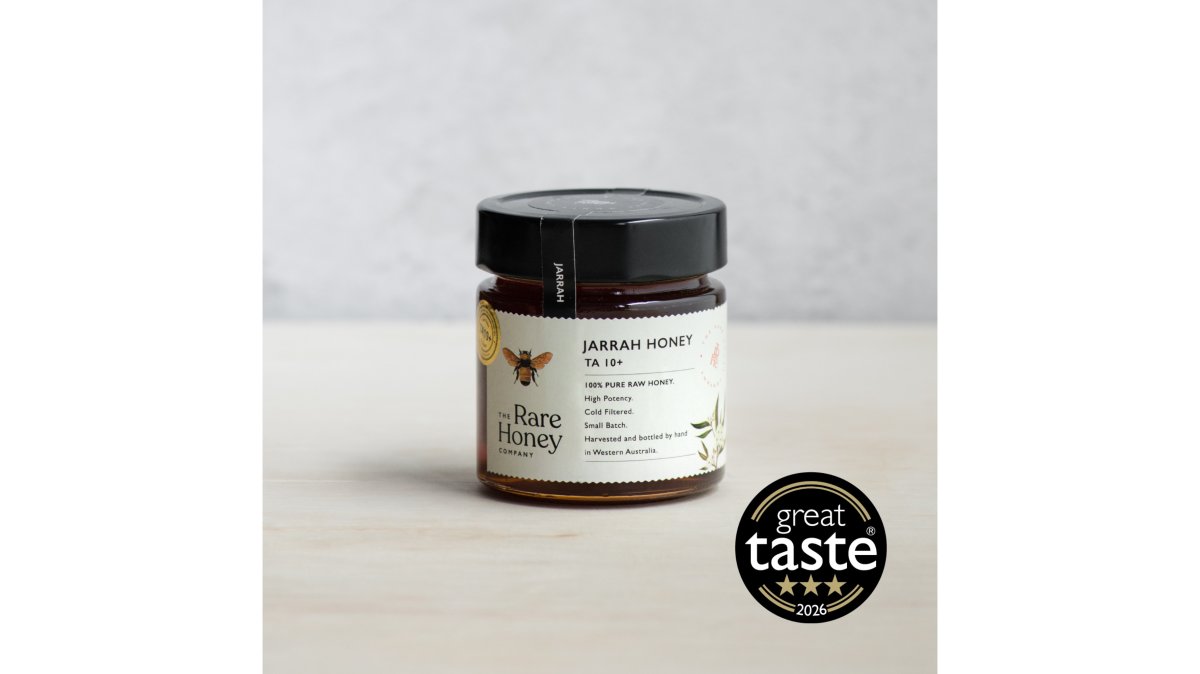
Cold extraction during harvesting preserves these bioactive compounds. Many commercial honey producers heat their honey to make it flow faster and crystallise slower. That process destroys the very enzymes that make western australian honey valuable for wellness. The Rare Honey Company uses cold filtration instead, which means you're getting the honey as nature made it.

The difference matters if you're buying honey for more than just sweetness. You're paying for bioactive potential, the ability of the honey to deliver antimicrobial and antioxidant benefits your body can actually use. That potential only exists if the honey hasn't been processed into submission.
Jarrah Honey Benefits: The Gold Standard of Active Honey
Jarrah honey is the benchmark against which other bioactive honeys are measured globally. It comes from Eucalyptus marginata trees that flower only once every two years, making the supply genuinely limited and the quality exceptionally consistent.
The antimicrobial strength comes from naturally occurring hydrogen peroxide activity. Unlike synthetic antimicrobials, this activity is gentle enough for daily consumption but potent enough to support immune function and gut health. A TA10+ rating means the honey has been tested and certified to deliver this level of activity reliably. The Rare Honey Company's Jarrah Honey TA 10+ is their entry point to active honey, strong enough to matter, mild enough for everyday use at £20.00 per jar.
For those seeking higher potency, Super Jarrah Honey TA 20+ delivers twice the enzymatic activity at £30.00. The difference is measurable and meaningful. TA20+ is medicinal-grade honey, the kind people reach for when they're dealing with specific health concerns rather than general wellness maintenance.

The flavour profile sets Jarrah apart in the kitchen as well. It has a toffee-like texture with treacle sweetness and a distinctive aromatic finish that works in both savoury dishes and desserts. You're not just getting bioactive potential; you're getting a honey that tastes remarkable enough to earn a 3-Star Great Taste Award, as this batch did in 2026.
Understanding Bioactive Honey Properties and TA Ratings
The Total Activity (TA) rating system measures the antimicrobial potency of honey through laboratory testing. It's a standardised metric that lets you compare honeys objectively rather than relying on marketing claims. A honey with TA10+ has been certified to contain antimicrobial compounds at a specific concentration; TA20+ contains roughly double that concentration.
This isn't a marketing invention. The TA system exists because the honey industry needed a way to communicate potency consistently. When you see a TA rating on the label, you're looking at certified laboratory results, not estimates or guesses. According to research on honey's antimicrobial properties, the enzymatic activity in dark monofloral honeys like Jarrah can be measured and reproduced reliably across batches.
The bioactive compounds include hydrogen peroxide, polyphenols, and flavonoids. These are the substances responsible for the antioxidant and antimicrobial effects people associate with therapeutic honey. Raw, unprocessed honey retains these compounds; heated honey loses them progressively as temperature increases.
Raw honey vs processed honey isn't just a quality difference, it's a functional difference. When you buy raw western australian honey, you're preserving the enzymatic activity that makes the honey bioactive in the first place. Processed honey has been filtered, heated, or pasteurised, which removes or deactivates these compounds. You end up with something that tastes sweet but lacks the wellness properties you were paying for.
The Rare Honey Company's commitment to cold extraction means their honey arrives at your door with its bioactive potential intact. That's why they can confidently certify a TA rating, the testing happens on honey that hasn't been damaged by heat.
Raw Honey vs Processed Honey: Why Cold Extraction Matters
The moment honey is heated, its bioactive profile begins to change. Enzymes denature, some polyphenols oxidise, and the antimicrobial activity declines measurably. This happens gradually, honey doesn't lose all its activity at once, but the loss is real and documented.
Jarrah Honey TA 10+ (Active) →
Cold extraction means the honey is separated from the comb without heat, then filtered at low temperatures to remove particles while retaining the enzymes and native pollen. It's slower than industrial methods and more expensive, but it's the only way to preserve the bioactive compounds you're paying premium prices for.
Many producers heat honey to around 60-70°C to make it flow faster and bottle more efficiently. Some heat it higher, to 80°C or beyond, to achieve a longer shelf life and prevent crystallisation. These are business decisions, not quality decisions. The honey becomes easier to process and cheaper to produce, but you lose the very thing that makes western australian honey worth buying.
Crystallisation is actually a sign of quality, not a flaw. Raw honey with high fructose content (like Jarrah) crystallises slowly because of its natural sugar composition. Processed honey stays liquid longer because heating has altered the structure. If your honey never crystallises, it's been heated or blended with syrups.
The Rare Honey Company's cold-filtered approach means their honey will eventually crystallise, that's normal. You can gently warm it to liquefy it again without damaging the bioactive compounds. It's a small inconvenience that preserves the integrity of what you're buying.
Raw honey also retains native pollen, which some people find beneficial for seasonal wellness. Processed honey has been filtered to remove pollen, partly for shelf stability and partly because pollen can trigger allergic reactions in sensitive individuals. If you have severe pollen allergies, processed honey might be safer; if you're seeking the full spectrum of bioactive compounds, raw honey is the better choice.
The Taste and Culinary Appeal of Western Australian Varieties
Western australian honey isn't just a wellness product, it's a premium ingredient that transforms how food tastes. The distinction between varieties matters in the kitchen as much as it does for health.
Jarrah honey brings toffee and treacle notes with a subtle aromatic finish. It works beautifully in porridge, drizzled over Greek yoghurt, or as a glaze for roasted vegetables. The depth of flavour means you use less honey and get more satisfaction, a practical advantage when you're paying £20-30 per jar.
Creamed Karri honey has a different character entirely.
Ethical Sourcing and Sustainability in Western Australian Honey Production
The Rare Honey Company partners with small-batch producers in Western Australia who prioritise the health of bees and the natural environment. This isn't a supply chain abstraction, it's a family operation that understands the forests they're harvesting from and the bees they're supporting.
Incorporating Western Australian Honey Into Your Daily Routine
The simplest way to use western australian honey is the most effective: a spoonful daily. A teaspoon of Jarrah or Redgum honey in the morning provides bioactive compounds without the fuss of complicated protocols. If you're using TA10+ honey, consistency matters more than quantity, daily use over weeks builds cumulative benefit.

Frequently Asked Questions
What makes western australian honey different from other honeys?
Western Australian honey, particularly from Jarrah and Karri trees, is harvested from ancient native forests and contains significantly higher antioxidant levels than conventional honey. The TA (Total Activity) rating system measures bioactive compounds like natural hydrogen peroxide activity, which supports immune function and gut health. These honeys are cold-extracted and unprocessed, retaining beneficial enzymes and native pollen that are lost during pasteurisation. The distinctive monofloral nature—harvested from specific tree species—creates complex flavour profiles and consistent bioactive potency unavailable in mass-produced blended honeys.
What are the health benefits of bioactive honey?
Bioactive honey contains natural antimicrobial, antibacterial, and antifungal compounds that support immune defence and seasonal wellness. The high antioxidant content—up to three times more than conventional light honeys—helps protect cells against oxidative stress. Raw, unprocessed varieties retain enzymes that aid digestion and support gut health. The low glycaemic index means sustained energy release without blood sugar spikes, making it suitable for daily consumption. Many people use bioactive honey to soothe sore throats, support digestive balance, and promote overall cellular health as part of a natural wellness routine.
Is western australian honey really 100% pure, or could it contain cheaper syrups?
Authentic western australian honey from reputable producers like The Rare Honey Company is chemist-certified and laboratory-tested for purity. The certification confirms 100% pure raw honey with no additives, syrups, or fillers. Look for chemist certification, TA ratings (which measure bioactive compounds), and Great Taste Awards as proof of authenticity. Small-batch, family-produced honeys bottled at source offer full traceability, unlike supermarket brands that may blend or heat-treat their honey. Requesting a certificate of analysis or third-party testing confirmation is a reliable way to verify purity before purchasing.
How should I store western australian honey to maintain its bioactive properties?
Store western australian honey in a cool, dark place away from direct sunlight and heat, ideally between 15-21°C. Keep the lid tightly sealed to prevent moisture absorption and crystallisation. Raw, unprocessed honey can crystallise naturally over time due to its high fructose content, which is normal and does not reduce bioactive potency—simply warm the jar gently in warm water to restore fluidity. Avoid storing in the refrigerator, as cold temperatures accelerate crystallisation. Properly stored, bioactive honey maintains its enzymatic activity and antioxidant properties for months, though it is best enjoyed within 12 months of purchase for optimal flavour and potency.